- Teacher: David LeBlanc
UPEI Moodle
Search results: 167
- Teacher: Alaina L Roach O'Keefe
- Teacher: Education TBA
- Teacher: Peter Foley
- Teacher: Emilia M Grzegolec Bourassi
- Teacher: Oriana Raab
- Teacher: Amani Abdelghani
- Teacher: Rabin Bissessur
- Teacher: Chemistry TBA
- Teacher: Janet Arlene Loo
- Teacher: Katie Hoddinott

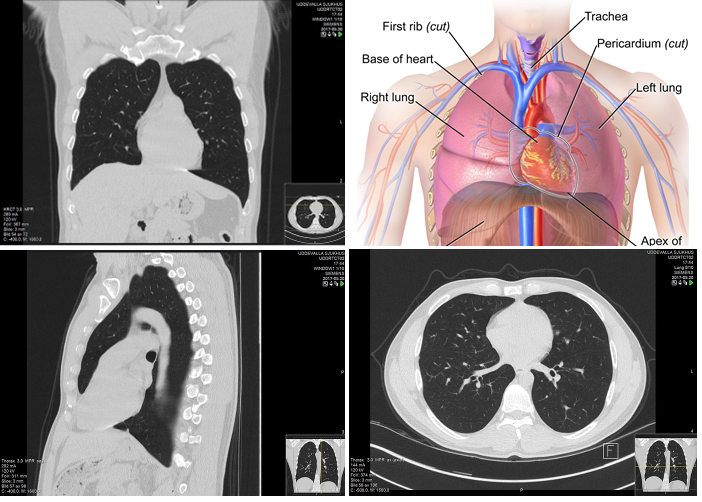
Computed Tomography II is a continuation of Computed Tomography I (Apparatus). Topics include; image quality considerations, post processing of images, radiation dose, quality control and selection/manipulation of imaging parameters in CT. Routine procedures & protocols of the head & neck, thorax, and abdomen are thoroughly covered.
- Teacher: Stacey MacEwen
- Teacher: M Patrice Drake

- Teacher: Scott Greer
- Teacher: Alan Hilburg
- Teacher: Sami Khedhiri
- Teacher: Lisanework Ayalew
- Teacher: Antonio Bolufe-Rohler

- Teacher: Marina Silva-Opps
- Teacher: Maria Kilfoil
- Teacher: Cathy Ryan
- Teacher: Bethany Vessey
- Teacher: Stephen Butler
- Teacher: Yulin Hu
- Teacher: Engineering TBA
- Teacher: Margaret Young
- Teacher: Yechao Meng
- Teacher: Julie (Radiography Instructor) Hall
- Teacher: Paul Sheridan
- Teacher: Andrew Halliday
- Teacher: IST TBA
- Teacher: Tess Miller
- Teacher: Education TBA

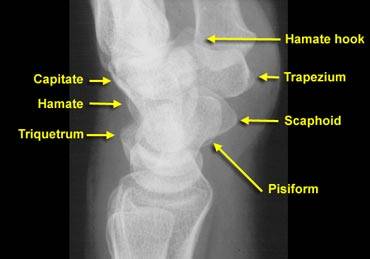
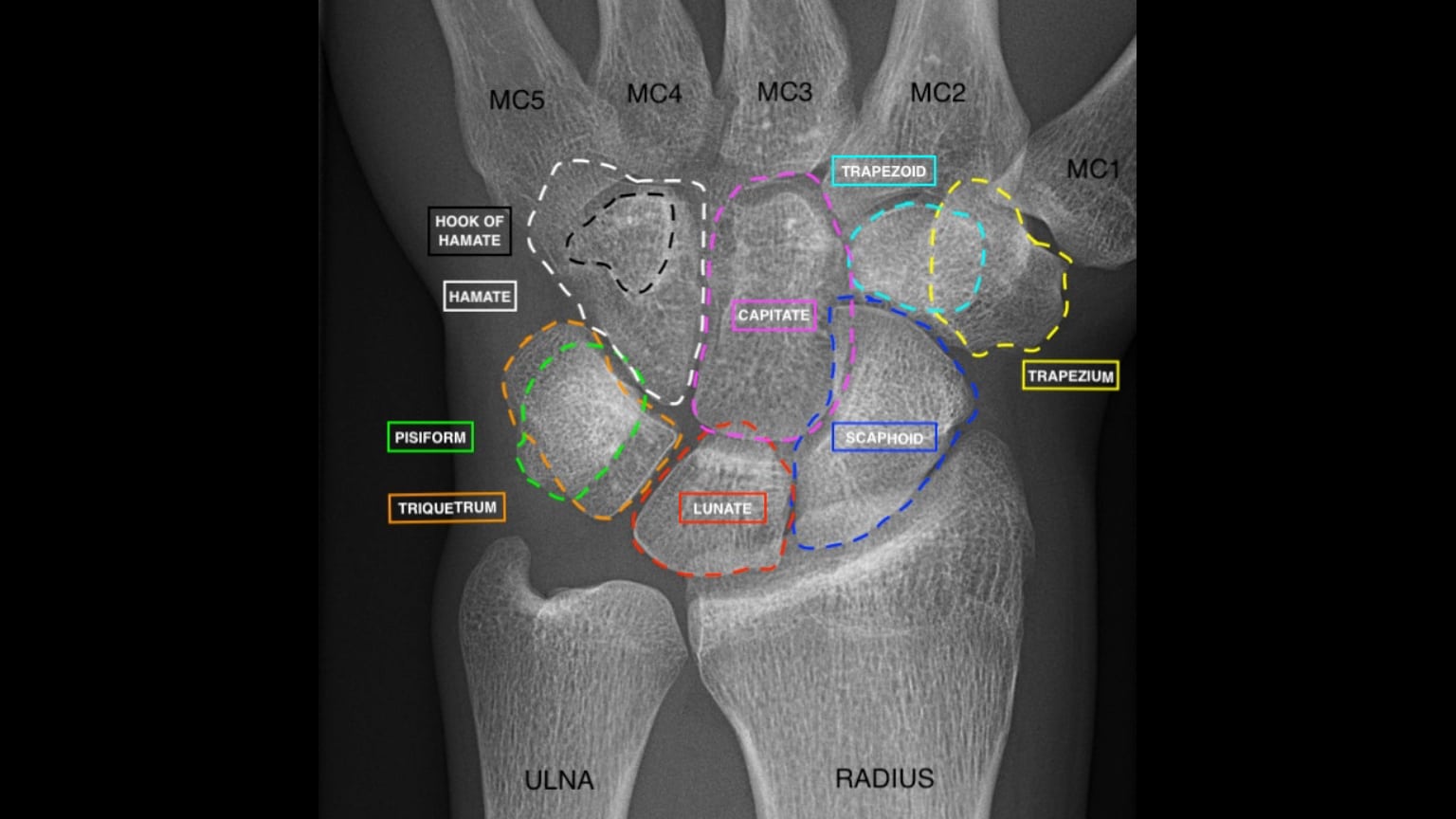
Students will learn the basic steps of radiography and then apply these to radiography of the upper & lower limb, thoracic viscera and abdomen.
In addition to positioning principles, students will practice critically evaluating radiographs.
RAD 2110 involves a combination of both lectures and practice-based learning. Students will practice positioning principles during labs at the QEH. Students will also participate in image analysis sessions weekly.
- Teacher: Cynthia Teresa Fisher
- Teacher: Michael McIsaac

- Teacher: Andrew Zinck

- Teacher: Cheryl Wartman

- Teacher: Kevin Lee Teather
- Teacher: Pedro Quijon
- Teacher: Gabriela P Arias De Sanchez
- Teacher: Education TBA

- Teacher: Heather Penney
- Teacher: Megan E B Jones
- Teacher: Lindsey Smith
- Teacher: NURS TBA
- Teacher: Bethany Vessey
In this course, we will engage with selected works on human life and inhabitance from a diverse group of philosophers, ancient and contemporary, European, Asian and Indigenous. We will also explore some musical, narrative and film expressions of these themes.
Our focus throughout will be on exploring different understandings of what is important in human life, and what it is to live well on this earth ... particularly in the face of the growing global problems of poverty and inequality, exploitation, colonization, environmental degradation, alienation from nature and community decline that not only surround us, but seem to be the very premises upon which the earth’s affluent societies have been built.
In mid-June, we will engage with the thought and experiences of some Island inhabitants who have dedicated their lives and work to answering these questions within their own lives. Students will do a two-class field placement – a mini-apprenticeship – with some of these individuals, with the possibility of writing or filming a short documentary about what they have learned about their site supervisor’s philosophy of life and inhabitance, and what they have learned from working with them.
The culmination of the course will be a reflection journal written by each student on how their own thoughts about inhabitance have developed with each reading and from their field placement. The reflection journal can be drawn from the bii-weekly Discussion Forum posts that are part of the course. There will be one mid-term exam to encourage steadily engaged reading of the course resources.
- Teacher: Pamela Courtenay-Hall
- Teacher: Alaina L Roach O'Keefe
- Teacher: Education TBA
- Teacher: Peter Foley
- Teacher: Emilia M Grzegolec Bourassi
- Teacher: Amani Abdelghani
- Teacher: Rabin Bissessur
- Teacher: James Sentance
- Teacher: Katie Hoddinott
- Teacher: Stacey MacEwen
- Teacher: Ellen Walsh
- Teacher: Anne Furlong

- Teacher: Scott Greer
- Teacher: Udo Krautwurst
- Teacher: Sami Khedhiri

- Teacher: Marina Silva-Opps
- Teacher: Kathy Mary E Snow
- Teacher: Education TBA
- Teacher: Lindsey Smith
- Teacher: Bethany Vessey
- Teacher: Brent MacDonald
- Teacher: Yulin Hu
- Teacher: Engineering TBA
- Teacher: Margaret Young
- Teacher: Yechao Meng
- Teacher: Daphne Gill
- Teacher: Andrew Halliday
- Teacher: IST TBA
- Teacher: Michael Ampong
- Teacher: Education TBA

Students will learn the basic steps of radiography and then apply these to radiography of the upper & lower limb, thoracic viscera and abdomen.
In addition to positioning principles, students will practice critically evaluating radiographs.
RAD 2110 involves a combination of both lectures and practice based learning. Students will practice positioning principles during labs at the QEH. Students will also participate in image analysis sessions weekly.
- Teacher: Cynthia Teresa Fisher
- Teacher: Shannon Murray
- Teacher: Tracy Ann Doucette
- Teacher: Pedro Quijon
- Teacher: Katie Hoddinott
- Teacher: M Lynne O'Sullivan
- Teacher: Shelley Anne Burton
- Teacher: Noel Patrick Clancey
- Teacher: Cornelia Gilroy
- Teacher: Bethany Vessey

- Teacher: Peter Foley
- Teacher: Emilia M Grzegolec Bourassi
- Teacher: Oriana Raab
- Teacher: Stacey MacKinnon
- Teacher: Charlotte Pye
- Teacher: Jason Stull
- Teacher: Daniel Hurnik
- Teacher: Judah Goldstein
- Teacher: Margie Burns
- Teacher: Paul MacLeod
- Teacher: Education TBA
- Teacher: John McIntyre
- Teacher: Hiwot Haileslassie
- Teacher: Yechao Meng
- Teacher: Amanda Rodgerson
- Teacher: Daphne Gill
- Teacher: NURS TBA
- Teacher: Ariana Patey
- Teacher: Misty Dawn Rossiter
- Teacher: Carla Di Giorgio

Restriction: Student must have third year standing or above, or permission of the instructor. 08-01-2024-08-04-2024 Lecture Monday 02:30PM - 05:20PM, Health Sciences Bldg, Room 103
- Teacher: Tom Larkin
- Teacher: Gabriela P Arias De Sanchez
- Teacher: Education TBA
- Teacher: Peter Foley
- Teacher: Emilia M Grzegolec Bourassi
- Teacher: Amani Abdelghani
- Teacher: Collins Kamunde
- Teacher: Rabin Bissessur
- Teacher: Chemistry TBA
- Teacher: M Bronwyn Crane
LECTURE/SEMINAR: 3 hours
CLINICAL EXPERIENCE: 200 hours across the course
HOURS OF CREDIT: 6.
COURSE TIME: Wednesday 08:30AM - 11:15AM, Health Sciences Bldg, Room 323
- Teacher: Rianne Carragher
- Teacher: Stacey MacEwen
- Teacher: Katelyn Smallwood
- Teacher: Lindsey Smith

- Teacher: Scott Greer
- Teacher: Shannon Anne Martinson

- Teacher: Marina Silva-Opps
- Teacher: Maria Kilfoil
- Teacher: Lindsey Smith
- Teacher: Bethany Vessey
- Teacher: Stephen Butler
- Teacher: English TBA
- Teacher: Gerald Wandio
- Teacher: Sarah Finch
- Teacher: Yechao Meng
- Teacher: Julie (Radiography Instructor) Hall
This course unpacks elections like 2025’s and how political parties in Canada organize to compete for power. The first part of the course focuses on the historical context on the rise of political parties in Canada and the three principal federalist parties that contest federal elections today: Liberal, Conservative, and New Democratic. The second part of the course takes a thematic approach, examining party leaders, how and why candidates are selected, societal representation in parties, political communications, electoral reform, voting behaviour and foreign interference. By the end of the course student will have a firm grounding in the key debates concerning modern Canadian elections and political parties.
Seminar: Three hours a week. 04-09-2025-04-12-2025 Lecture Thursday 08:30AM - 10:50AM, Health Sciences Bldg, Room 105
- Teacher: Jeffrey Collins
- Teacher: Andrew Halliday
- Teacher: IST TBA
- Teacher: Tess Miller
- Teacher: Education TBA
- Teacher: Anthony Couture
- Teacher: Cynthia Teresa Fisher
- Teacher: Cassie MacLean
- Teacher: Etienne Myette-Cote
- Teacher: Yasmin Koop-Monteiro

- Teacher: Andrew Zinck
- Teacher: Tracy Ann Doucette
- Teacher: Lisanework Ayalew
- Teacher: Pedro Quijon

- Teacher: Katie Hoddinott
- Teacher: M Lynne O'Sullivan
- Teacher: Katie Hoddinott
- Teacher: Bethany Vessey
- Teacher: Paul MacLeod
- Teacher: Business TBA
- Teacher: Gabriela P Arias De Sanchez
- Teacher: Education TBA

- Teacher: Peter Foley
- Teacher: Emilia M Grzegolec Bourassi
- Teacher: M Lynne O'Sullivan
- Teacher: Sheri Ross
- Teacher: Antonio Bolufe-Rohler
- Teacher: Charlotte Pye
- Teacher: Jason Stull
- Teacher: Daniel Hurnik
- Teacher: Judah Goldstein
- Teacher: Jason Stevens
- Teacher: Kent James Bruyneel
- Teacher: Business TBA
- Teacher: Margie Burns
- Teacher: Wendy Shilton
- Teacher: Richard Lemm
- Teacher: Sarah Finch
- Teacher: Yechao Meng
Lecture Monday & Friday 10:00AM - 11:15AM, Faculty Sustainable Design Eng, Room 128A
Lab A: Tuesday 08:30 - 09:45AM, Health Sciences, Room 104
Lab B: Tuesday 10:00 - 11:15AM, Health Sciences, Room 104
- Teacher: Daphne Gill
- Teacher: Peter Koritansky
- Teacher: Misty Dawn Rossiter

Seminar Tuesday, Thursday 04:00PM - 05:15PM, Robertson Library, Room 210
- Teacher: Tom Larkin
- Teacher: Patricia Caporaso
- Teacher: Business TBA
- Teacher: Tina Saksida
- Teacher: Business TBA
- Teacher: Bethany Vessey
- Teacher: Peter Foley
- Teacher: Emilia M Grzegolec Bourassi
- Teacher: Charlotte Pye
- Teacher: Jason Stull
- Teacher: Daniel Hurnik
- Teacher: Anne Furlong
- Teacher: Judah Goldstein
- Teacher: Sami Khedhiri
- Teacher: Sebastien Parker
- Teacher: Margie Burns
- Teacher: Wendy Shilton
- Teacher: Esther Wohlgemut
- Teacher: Misty Dawn Rossiter
- Teacher: Yechao Meng
- Teacher: Amanda Rodgerson
- Teacher: Blake Jelley
- Teacher: Business TBA
- Teacher: Daphne Gill
Five-week module with two hours of lecture per week. Restriction: Student must have third year standing in the DVM program. 05-01-2026-06-02-2026
Final exam is an online Moodle quiz Feb 5th
- Teacher: Shawn McKenna
- Teacher: Misty Dawn Rossiter
Today, lectures and active learning have been cast as competing opposites. In fact, they can be quite effective when used together. Interactive lectures combine engaging lecture segments with selected active learning methods. Using Silver and Perini’s (2010) Interactive Lecture Cycle in 4 Phases, you will learn to plan and implement an interactive lecture that incorporates memory-enhancing techniques into your instruction.
Through participation in this learning space, you will be able to:
- Use an interactive lecture framework
- Identify the learning principles associated with the various framework components
- Create your own interactive lecture using the framework
- Teacher: Joel MacDonald
In this course, students will focus on the integration of assessment, the nursing process, and applied theory in primary health care management of individuals across the lifespan who are who are experiencing acute or acute on chronic health alterations. Students use concepts from nursing, nutrition, pharmacology, and biopsychosocial sciences to determine the most appropriate and cost effective tests, interventions, and/or pharmaceutical regimes to optimize health and wellness.
The course provides a clinical learning experience that assists the nurse practitioner (NP) student with integration and application of assessment and management skills utilizing a collaborative model of primary health care practice. Relevant conceptual and theoretical frameworks as well as the teaching-coaching role of the NP in primary health care management are integrated in class discussions. The student will become increasingly independent in their clinical decision-making skills and ability to manage select health concerns across the lifespan in a primary health care practice setting. Documentation will be completed in the problem oriented format to facilitate organization of the client data.
- Teacher: Gail Macartney
There are many different grading methods and each method assesses learning and provides feedback in different ways too. During this workshop both formal and informal assessment methods are explored as well as rubric creation, giving feedback and using technology, like generative AI, to assist in assessment.
Through participation in this learning space, you will be able to:
- Select appropriate assessment methods to evaluate student learning
- Use an assessment rubric to provide feedback and measure student performance
- Explore methods to provide effective feedback to students
- Utilize generative AI tools to draft assessment rubrics and generate formative feedback, followed by critical evaluation of AI-generated outputs
This course is part of the Instructional Practice Domain.
- Teacher: Joel MacDonald